 EN
Our Key Advantages
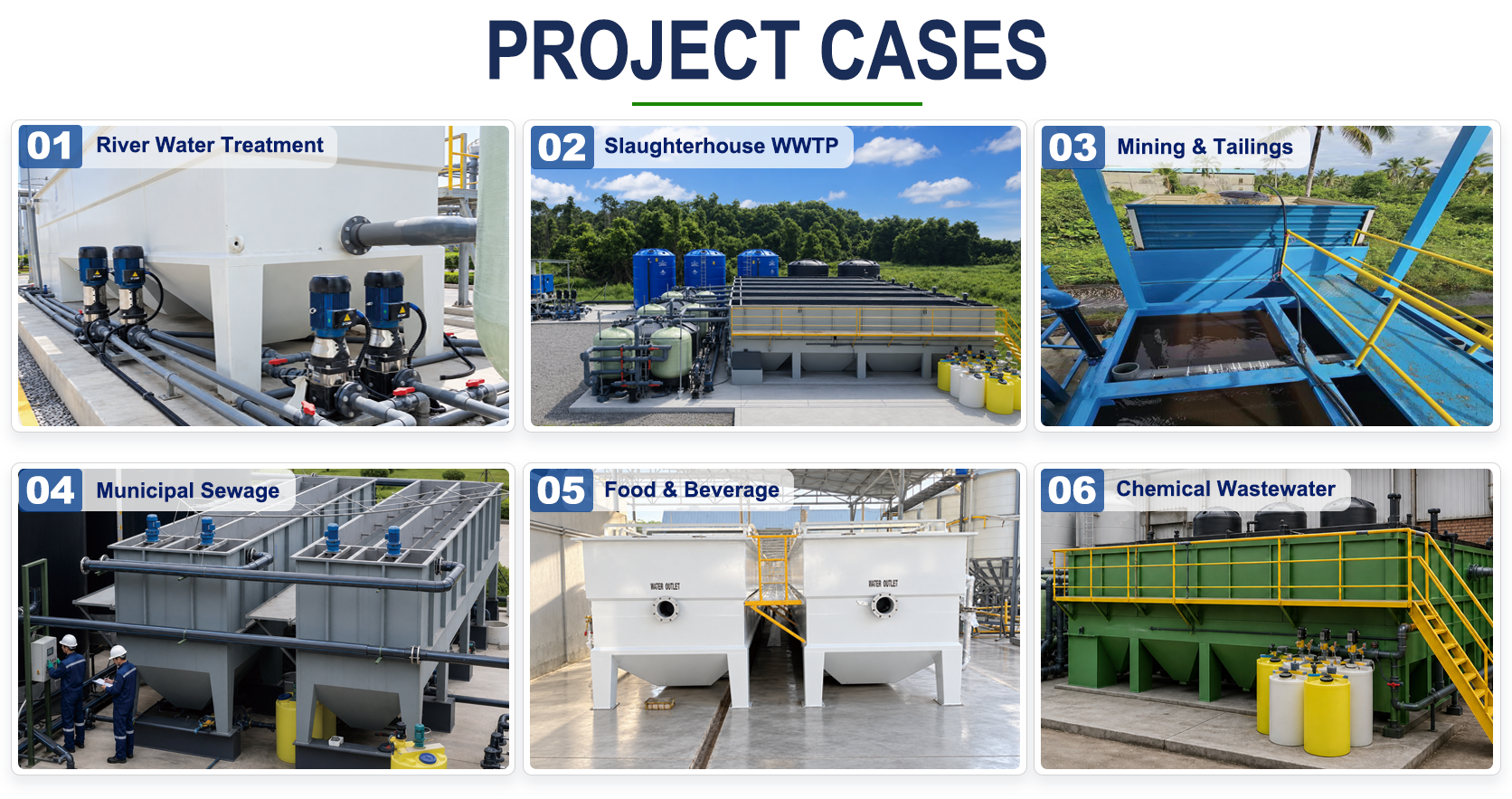
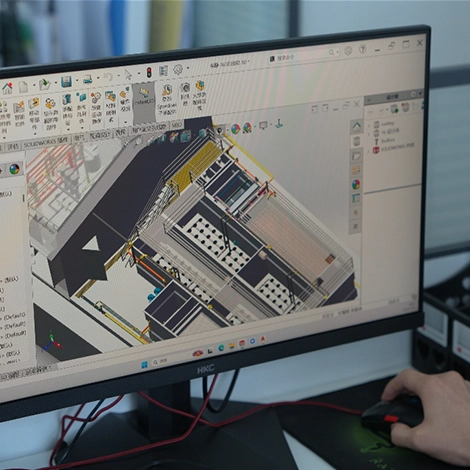
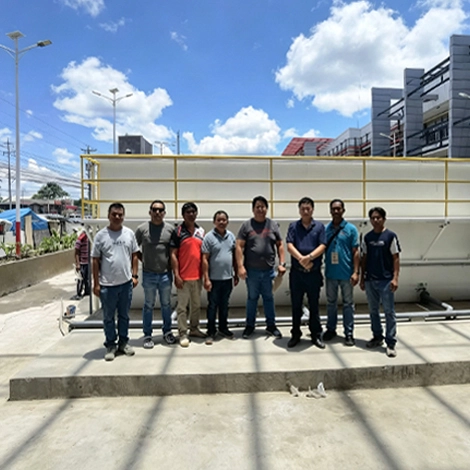
Successfully delivered wastewater treatment projects across multiple countries and industries. With an extensive project portfolio, we possess in‑depth knowledge of local environmental regulations and wastewater characteristics.
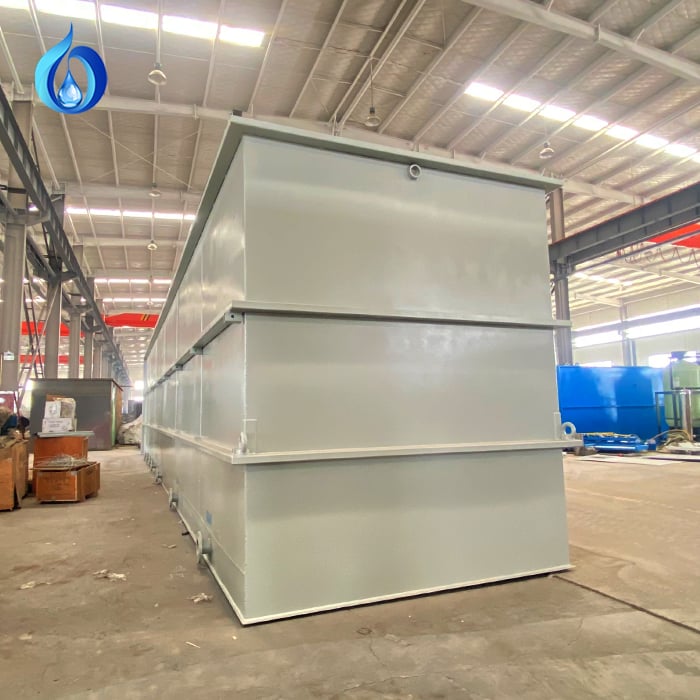
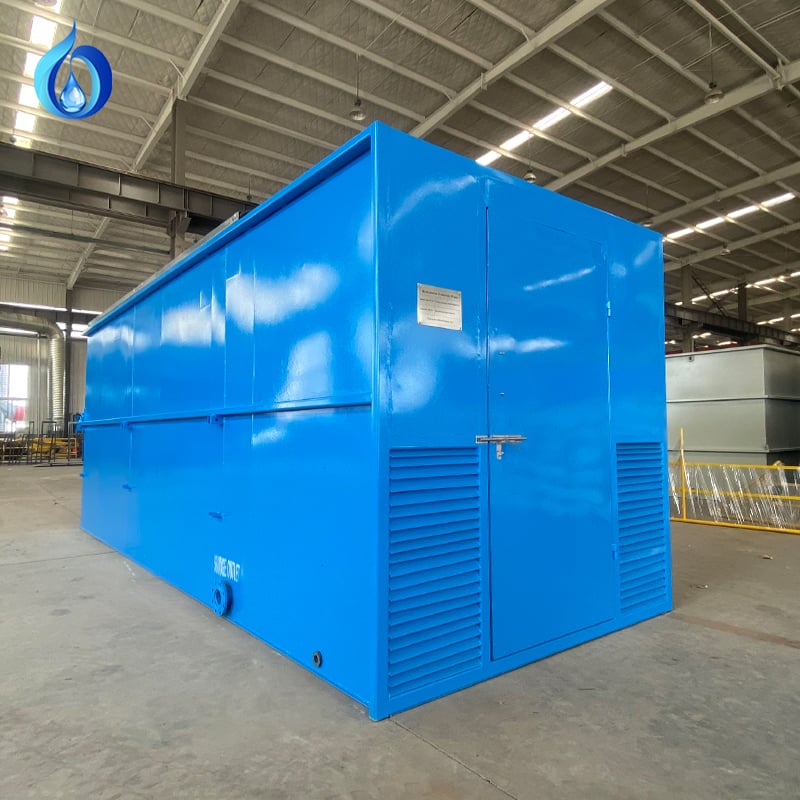
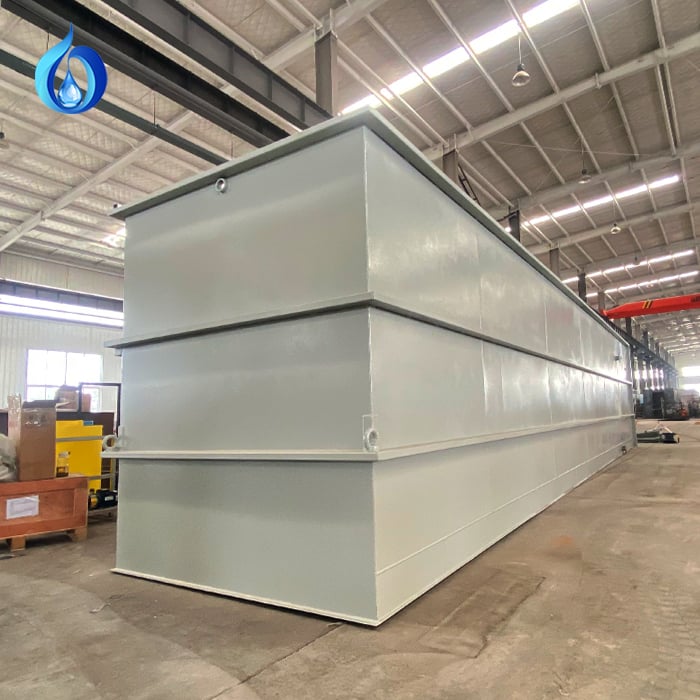
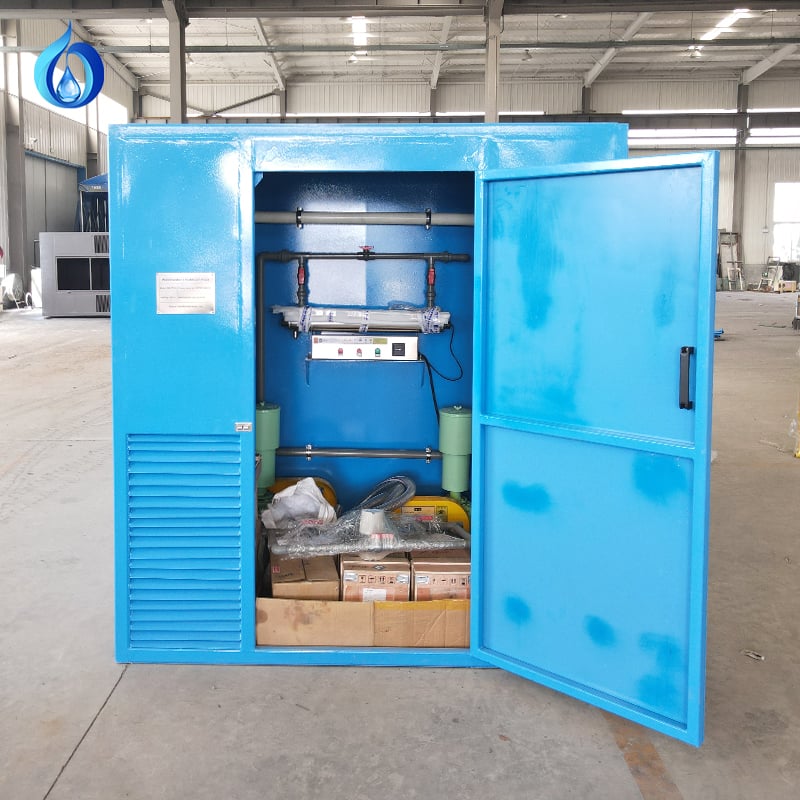
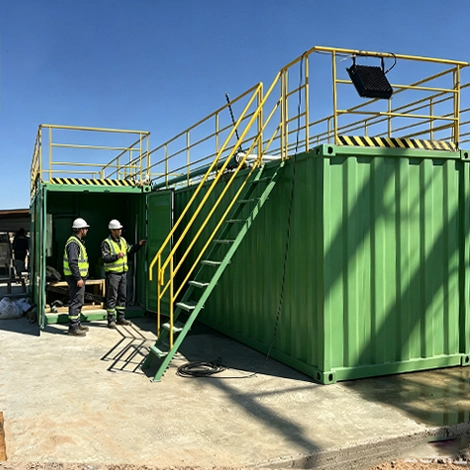
This packaged system brings biological processing, solids separation, and disinfection together in a modular plant arrangement. It is intended for municipal and community projects that need a compact wastewater line rather than a facility constructed entirely from separate on-site structures. The process can be planned around A2O, MBBR, or MBR technologies according to influent conditions, space constraints, discharge objectives, and the expected operating routine.
Key process stages can be coordinated within standardized modules or containers. Anaerobic, anoxic, aerobic, clarification, and disinfection functions may be arranged in sequence so that wastewater moves through one integrated line. This approach supports practical site planning where civil work, installation activities, and future capacity development require attention.
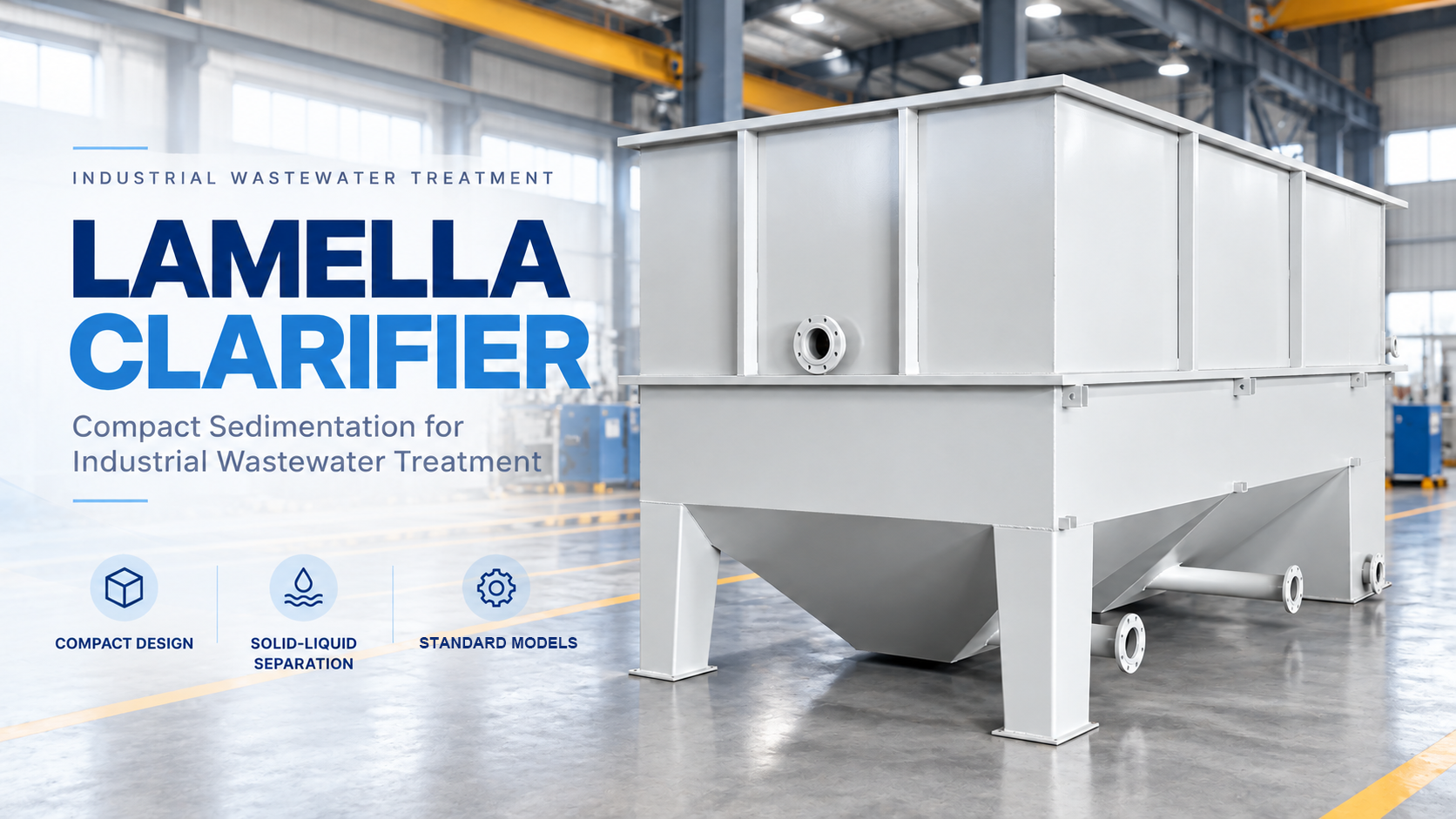
Pretreatment can be placed at the front of the line to remove debris and grit before wastewater reaches pumps, aeration equipment, and biological sections. Fine bar screens and vortex grit traps are described for this duty. Where the incoming stream contains rags, plastics, or abrasive particles, the pretreatment design helps protect downstream components and maintains a more consistent flow into the main process.
A rotary screen wastewater pretreatment stage can be considered when project conditions call for mechanical solids capture before biological processing. It works as part of the overall treatment sequence, alongside—not instead of—the biological, clarification, and disinfection stages. Access for screening maintenance and handling of captured solids should be considered when establishing the plant layout.
The biological section may include an anoxic zone for denitrification and an aerobic zone for oxidation of organic pollutants and ammonia. In an A2O arrangement, the sequence is used for biological nutrient-removal objectives. In an MBBR arrangement, biofilm carriers provide surface area for active biomass. In an MBR arrangement, membrane separation can be selected when a compact separation approach is required. The selected route should reflect confirmed influent data, effluent requirements, and local operating conditions.
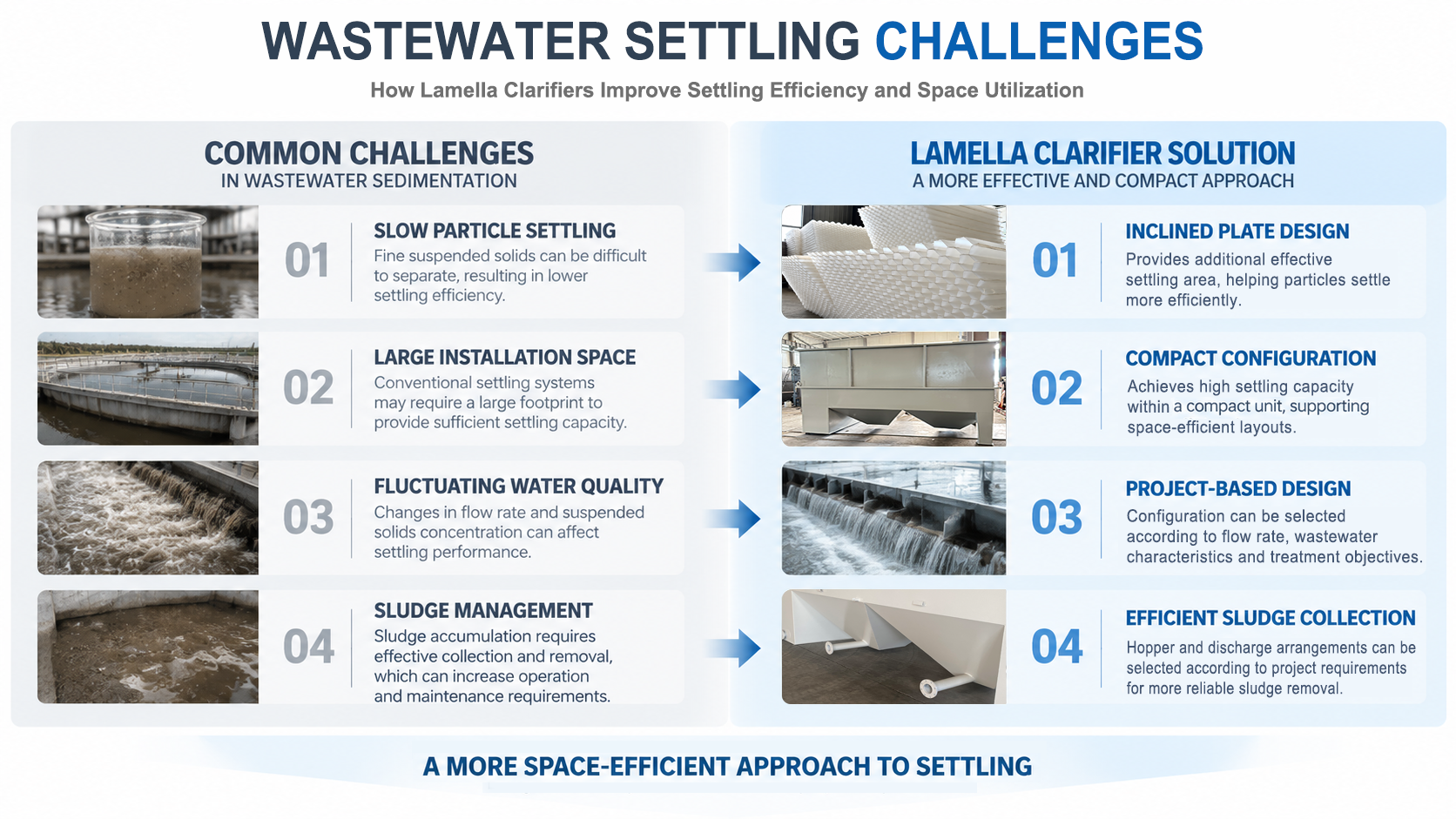
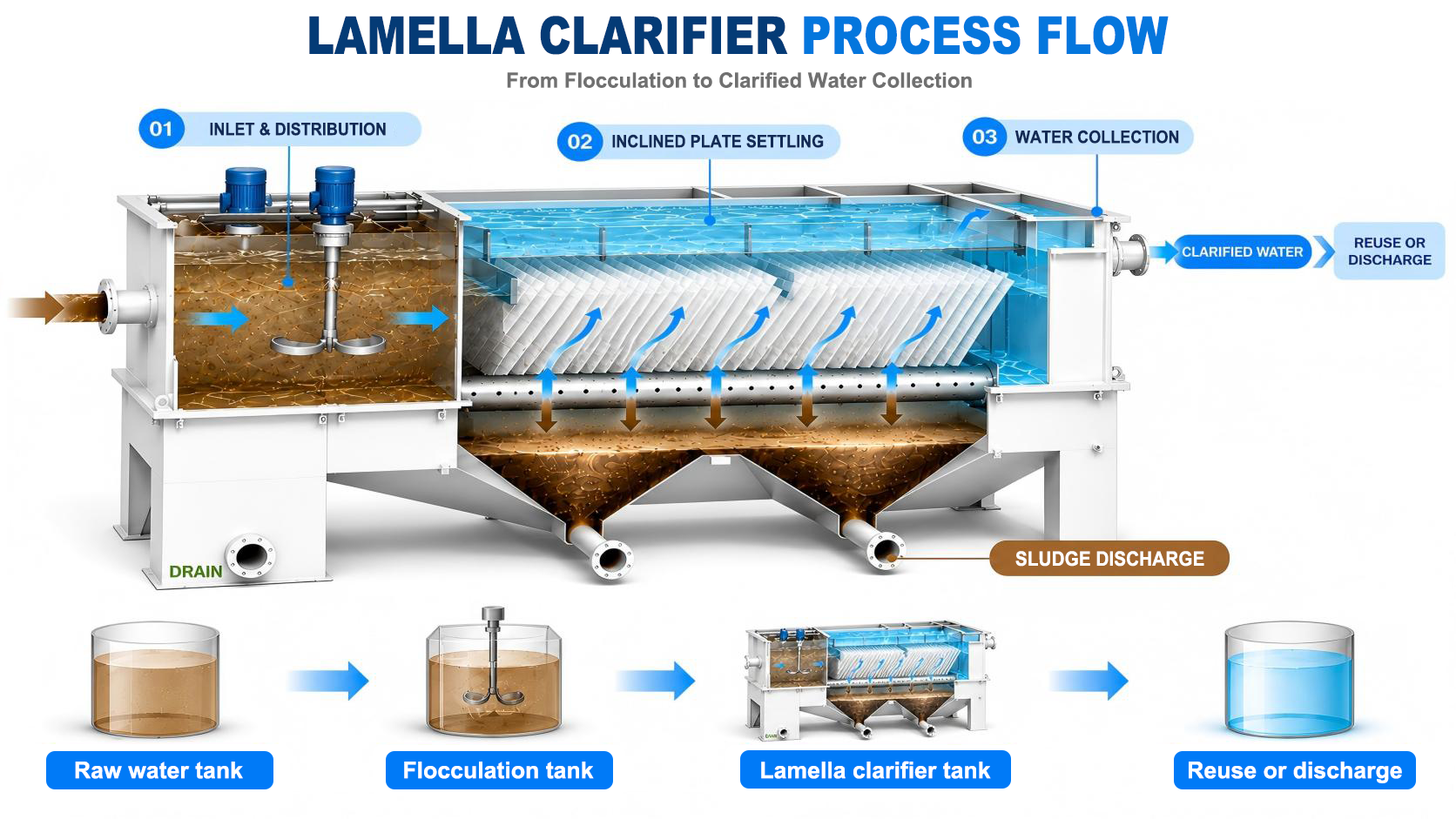
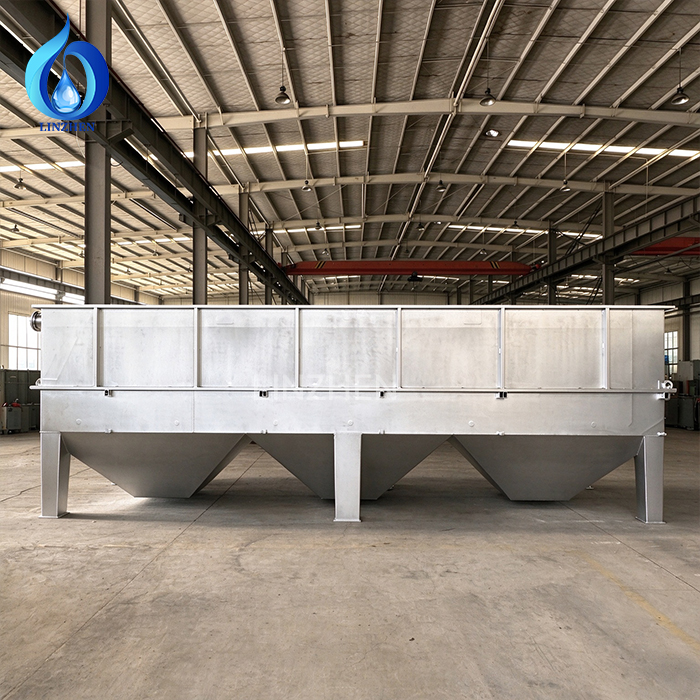
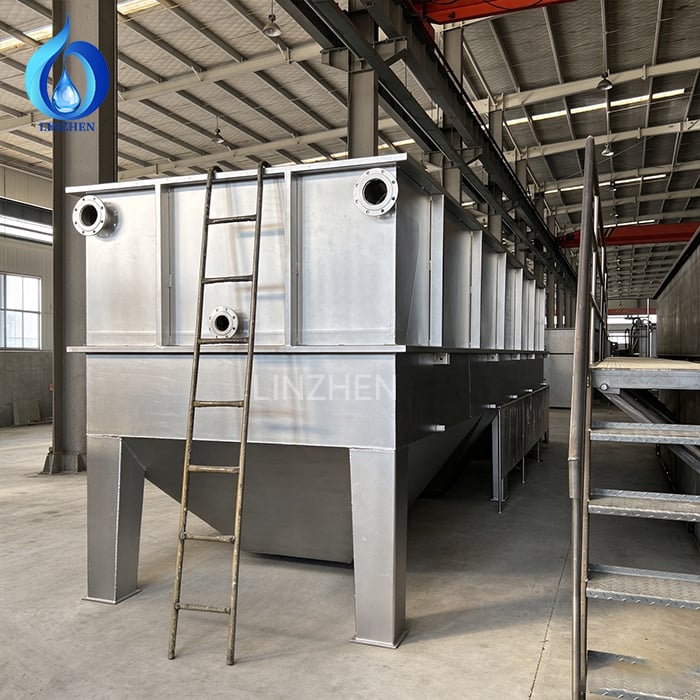
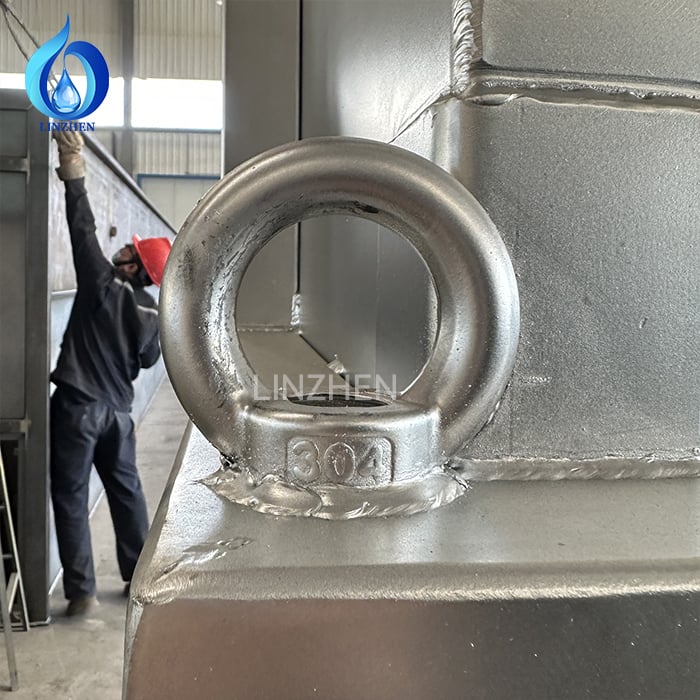
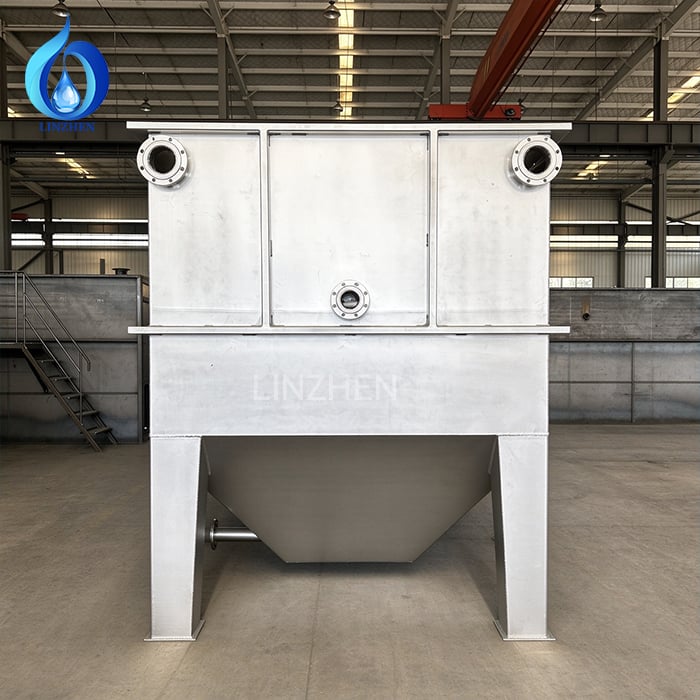
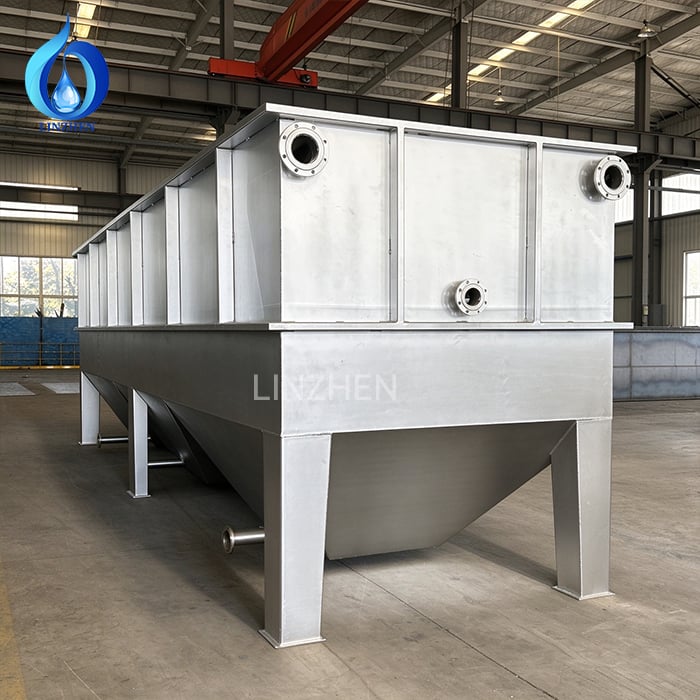
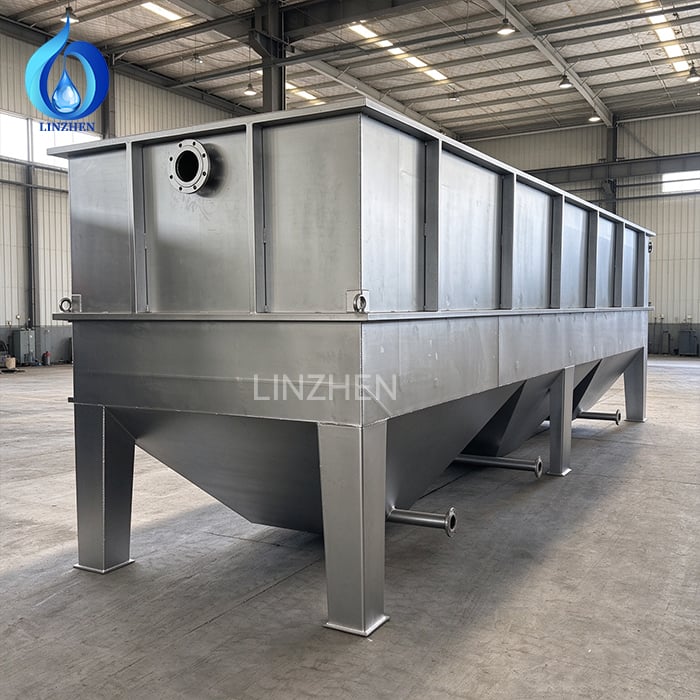
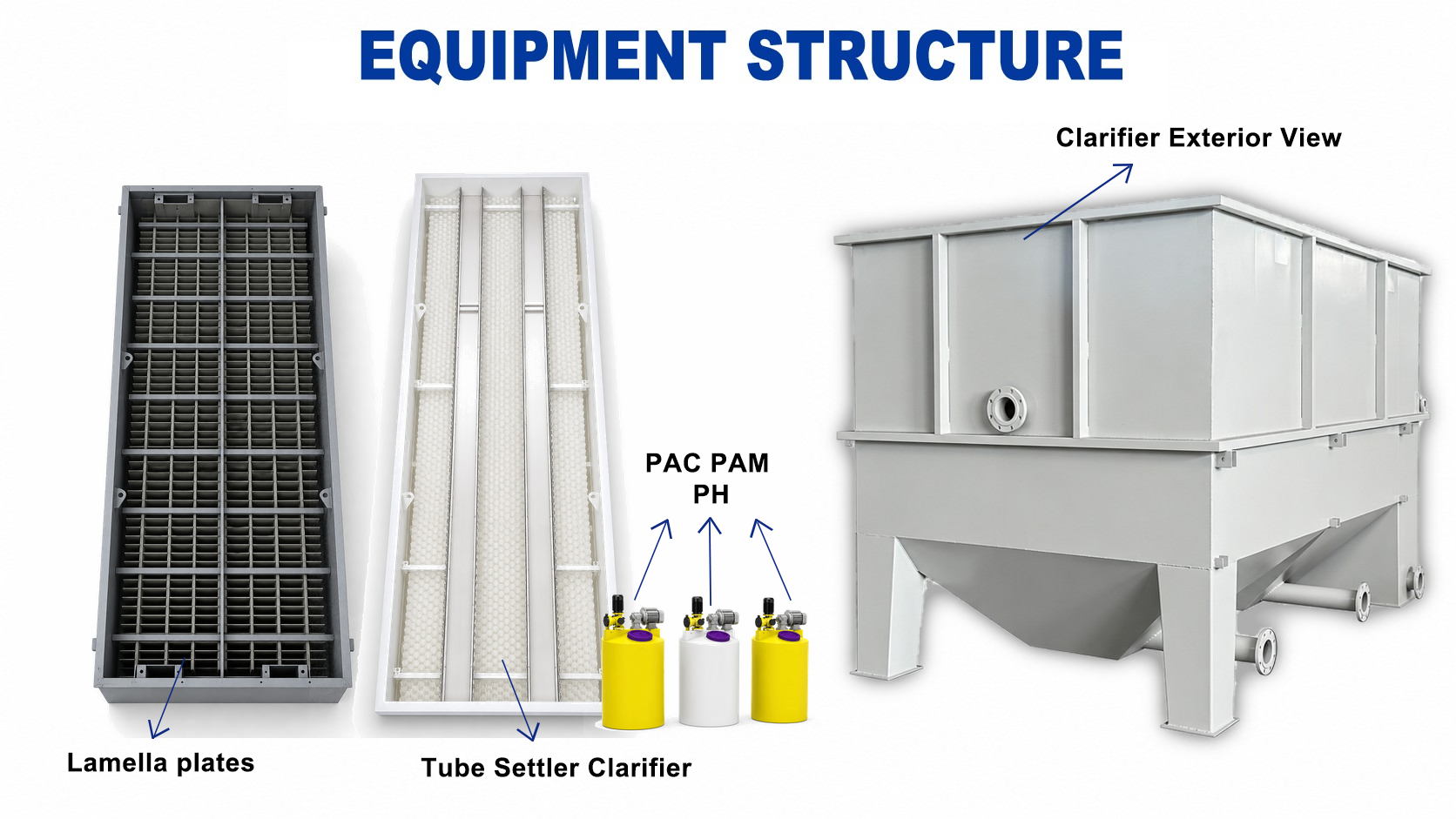
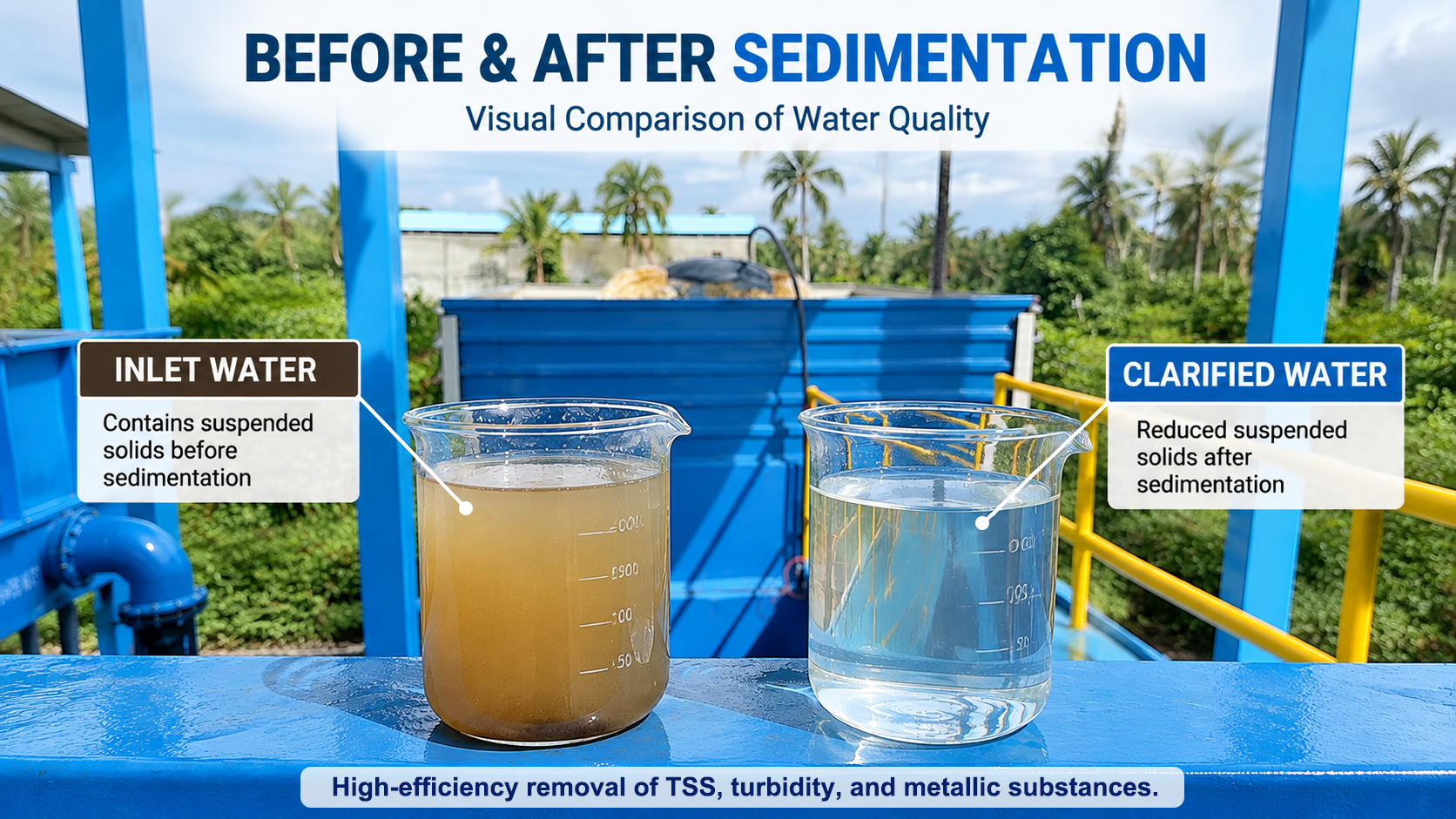
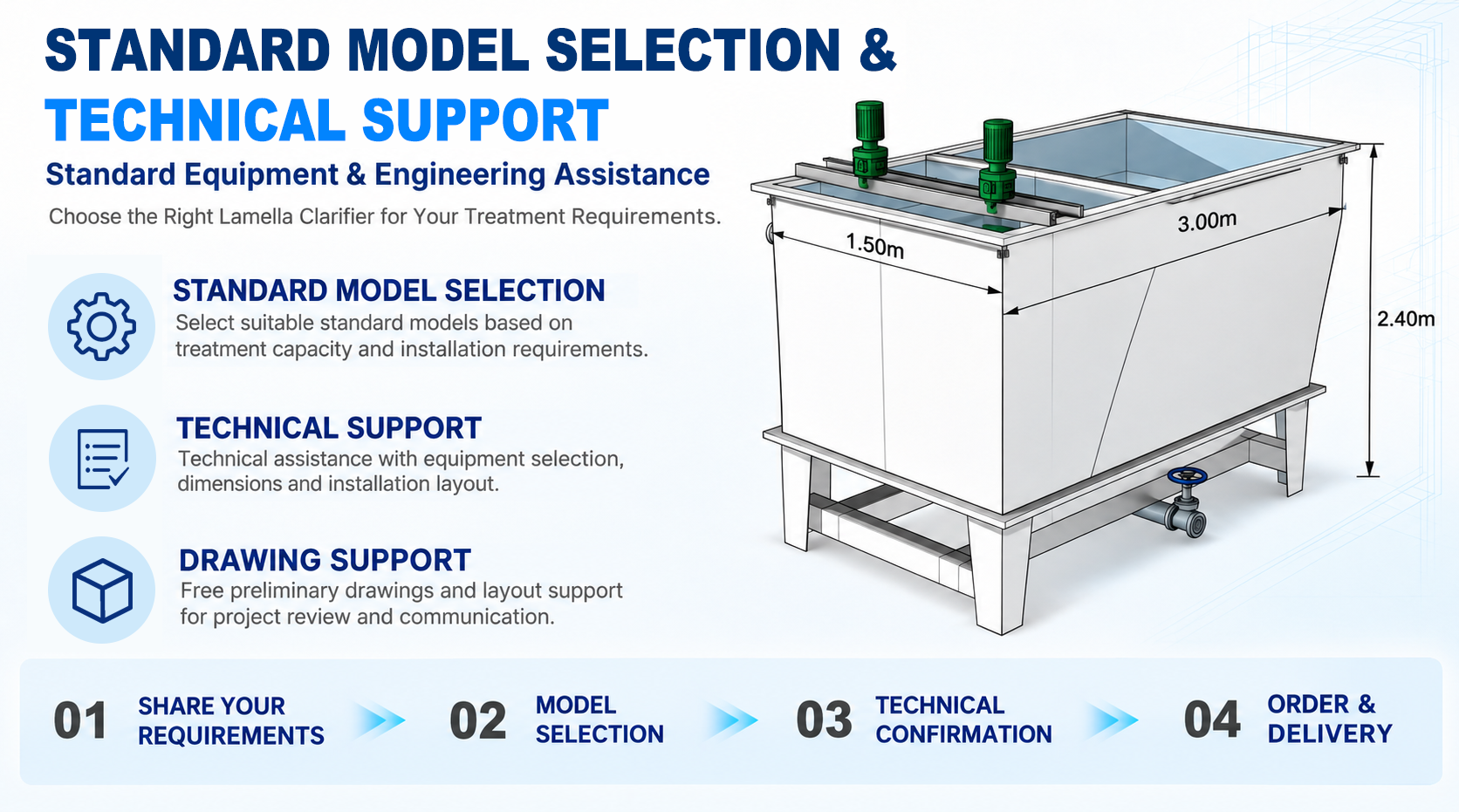
Clarification or membrane separation follows the biological stage. Inclined plate clarification can provide solids separation, while direct membrane separation may be selected for a different process configuration. UV or sodium hypochlorite disinfection can then be included in the final stage. Each selection should be coordinated with the confirmed water-quality objective and the intended method of plant operation.
Flow distribution deserves careful attention in multi-unit layouts. Balanced influent routing and accessible valves help operators observe each line and manage maintenance without treating the installation as a single inaccessible package. Aeration settings, sludge return, and inspection routines also influence long-term consistency of the biological process.
The system can be considered for urban communities, residential developments, public facilities, remote settlements, and decentralized municipal projects. A small scale water treatment installation can benefit from a packaged configuration where available land is limited and the project needs treatment functions to be organized in a compact footprint. Modular planning can also be useful when capacity needs may develop as a community grows.
Technology selection begins with wastewater characteristics and the required treated-water outcome. MBBR can be considered for a biofilm process with a resilient treatment stage. MBR may be selected where space is highly restricted or a defined reuse application calls for membrane separation. A2O can support projects focused on biological nitrogen and phosphorus removal. Local discharge rules, seasonal flow variation, influent loading, and operator availability should be reviewed before choosing the final configuration.
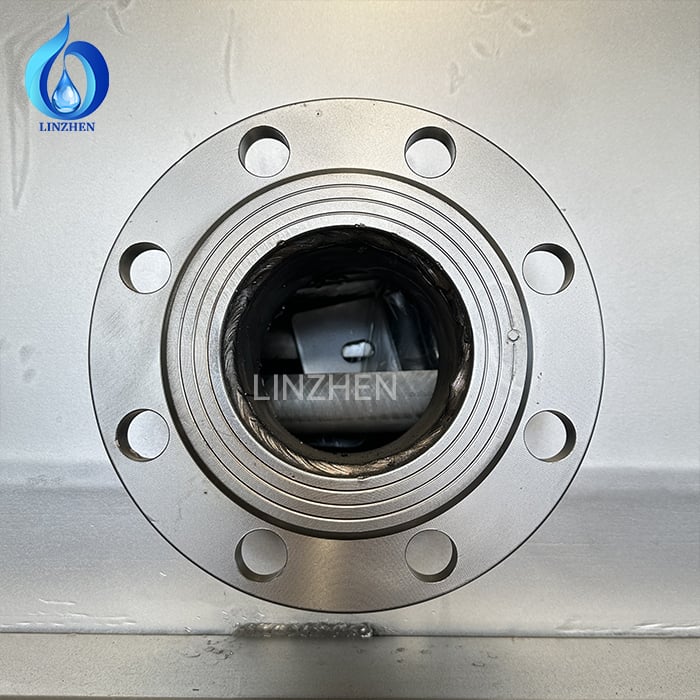
For community-scale projects, a practical process layout also considers peak flows, electrical connections, access for maintenance, sludge handling, and the location of process equipment. These elements influence how the package is installed and operated after commissioning. The packaged format can concentrate much of the piping and electrical work before site positioning, while actual scope remains dependent on the selected process and local civil conditions.
The Municipal Wastewater Treatment Plant Integrated Wastewater Treatment Equipment is planned as a process line, so the relationship between modules matters as much as the individual equipment items. Inlet screening, grit removal, biological zones, solids separation, disinfection, ventilation, piping, and control points should be arranged to allow safe access and clear operating routes. A compact footprint does not remove the need for practical clearance around pumps, blowers, valves, panels, and sampling points.
For a Municipal Wastewater Treatment Plant Integrated Wastewater Treatment Equipment project, the design discussion can identify whether treatment capacity is provided in one line or in parallel modules. Parallel modules can support staged capacity development and maintenance planning, provided the inlet distribution and return flows are balanced. The biological process, clarification method, and disinfection arrangement should remain coordinated as capacity changes.
The Municipal Wastewater Treatment Plant Integrated Wastewater Treatment Equipment can also be matched to the operating approach selected for the site. Automated aeration and sludge-return functions support routine control, but operators still need straightforward access to screens, pumps, instruments, and service points. A defined inspection routine helps personnel observe changing flow conditions and schedule cleaning or maintenance work at appropriate intervals.
When planning a Municipal Wastewater Treatment Plant Integrated Wastewater Treatment Equipment installation, confirm the available foundation area, hydraulic profile, connection locations, electrical supply, drainage, and access route before finalizing module placement. These practical details help the packaged process fit the site while preserving access for commissioning and ongoing service.
The packaged configuration is described with pre-assembled, pre-piped, and pre-wired elements. Site activities can therefore focus on the foundation, positioning, pipe interconnection, and electrical hookup. The exact installation sequence and timing depend on selected technology, local construction conditions, utility connections, capacity, and the final scope of supply.
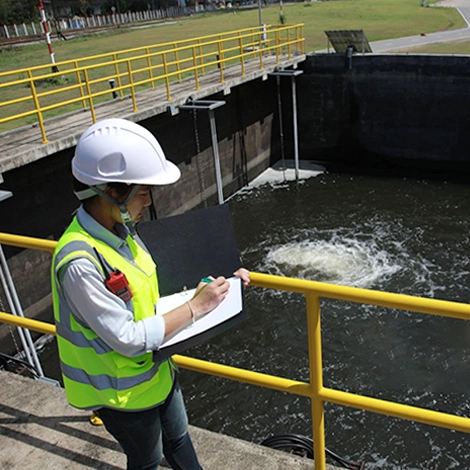
Reliable operation depends on more than equipment commissioning. Routine checks of aeration, sludge return, screening, flow balance, and instrumentation help the process respond to changing influent conditions. Automatic functions can reduce repetitive manual work, while a suitable monitoring plan allows staff to review day-to-day performance and schedule maintenance effectively.
For a project discussion, provide the expected flow, influent characteristics, discharge or reuse target, available site area, and preferred operating arrangement. These details help determine the pretreatment approach, biological route, clarification or membrane option, disinfection method, and module layout appropriate for the proposed installation.
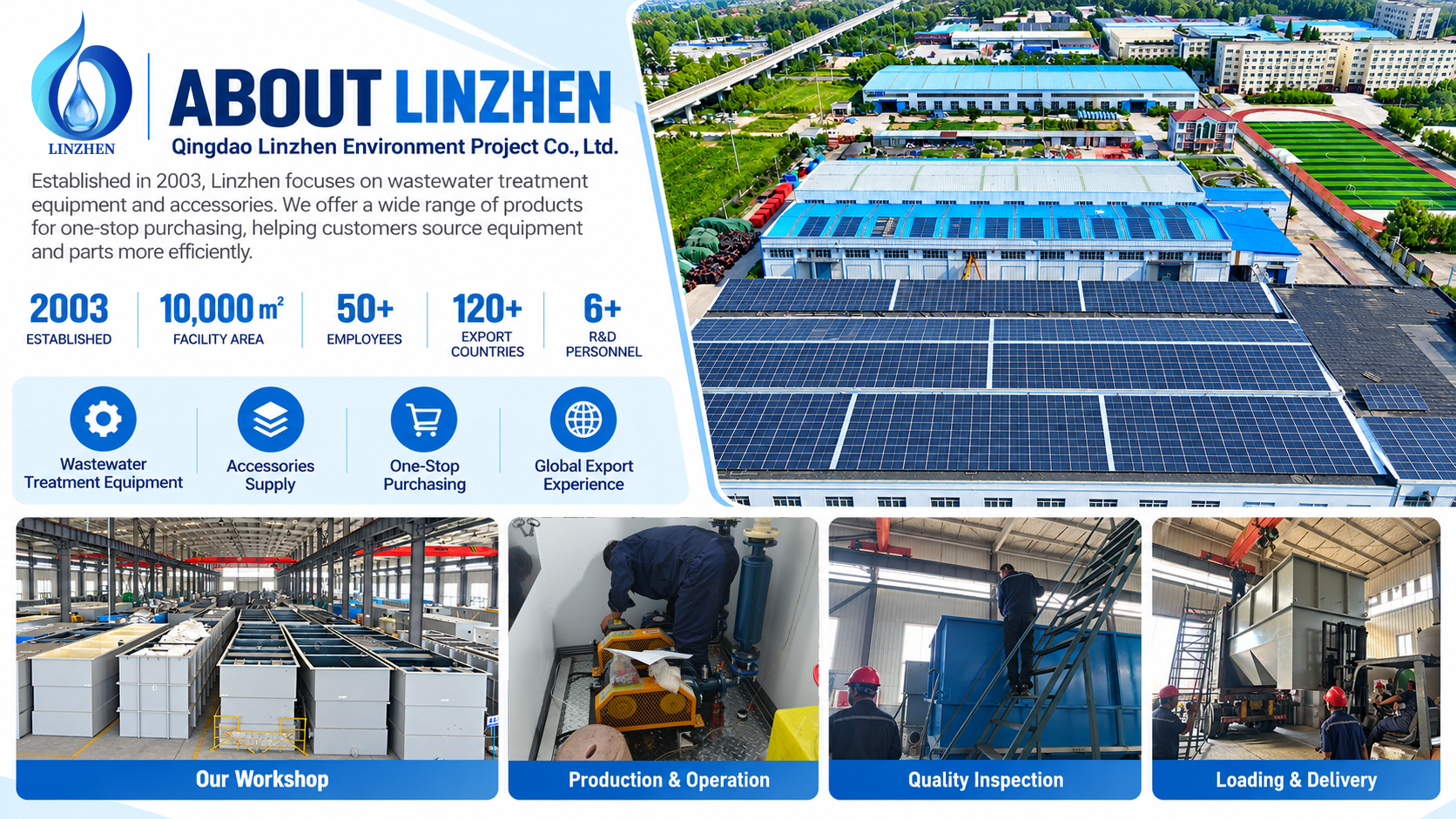
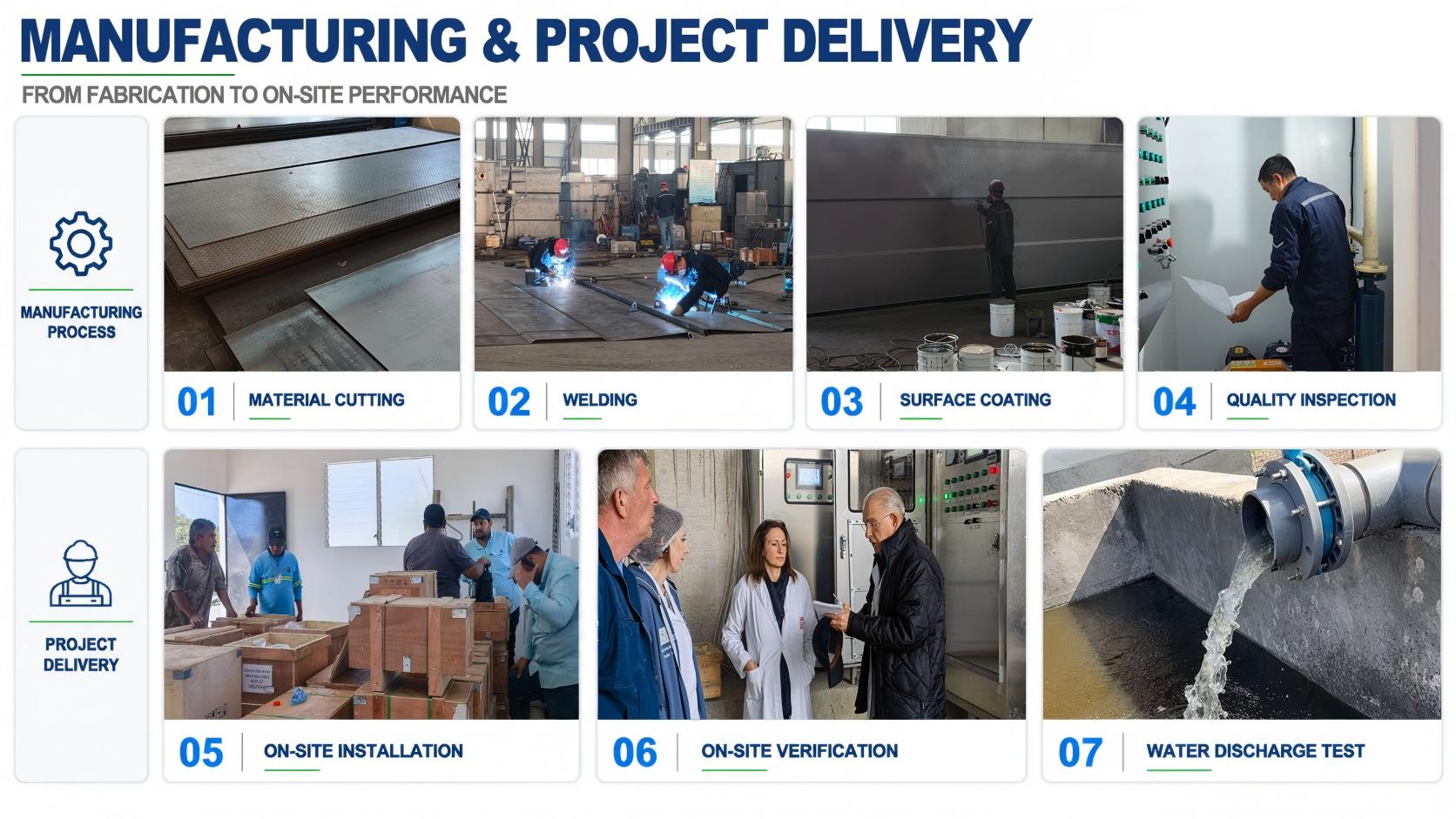

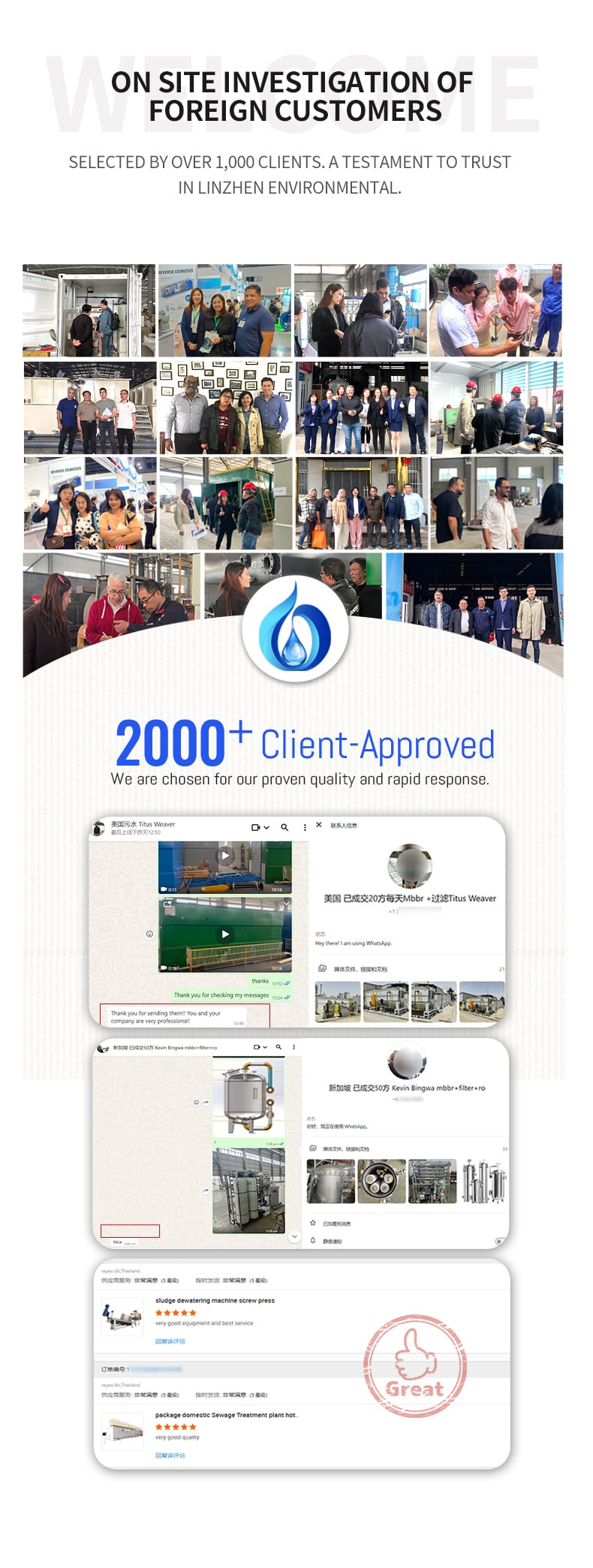
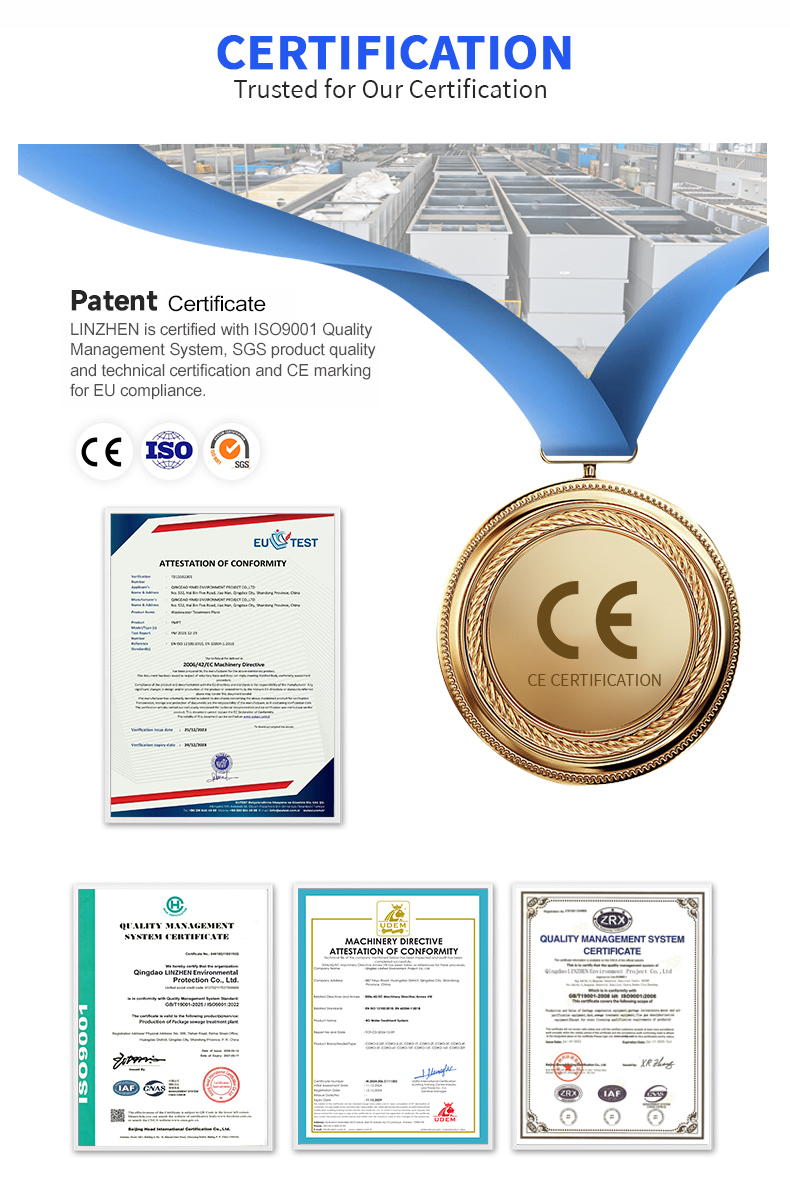

Successfully delivered wastewater treatment projects across multiple countries and industries. With an extensive project portfolio, we possess in‑depth knowledge of local environmental regulations and wastewater characteristics.

Providing customized wastewater treatment solutions based on wastewater quality, operational requirements, discharge standards, and site conditions.


Specializing in proven treatment processes including MBR, MBBR, A/O, A²/O, RO, DAF, and Lamella Clarifier for various wastewater treatment applications.

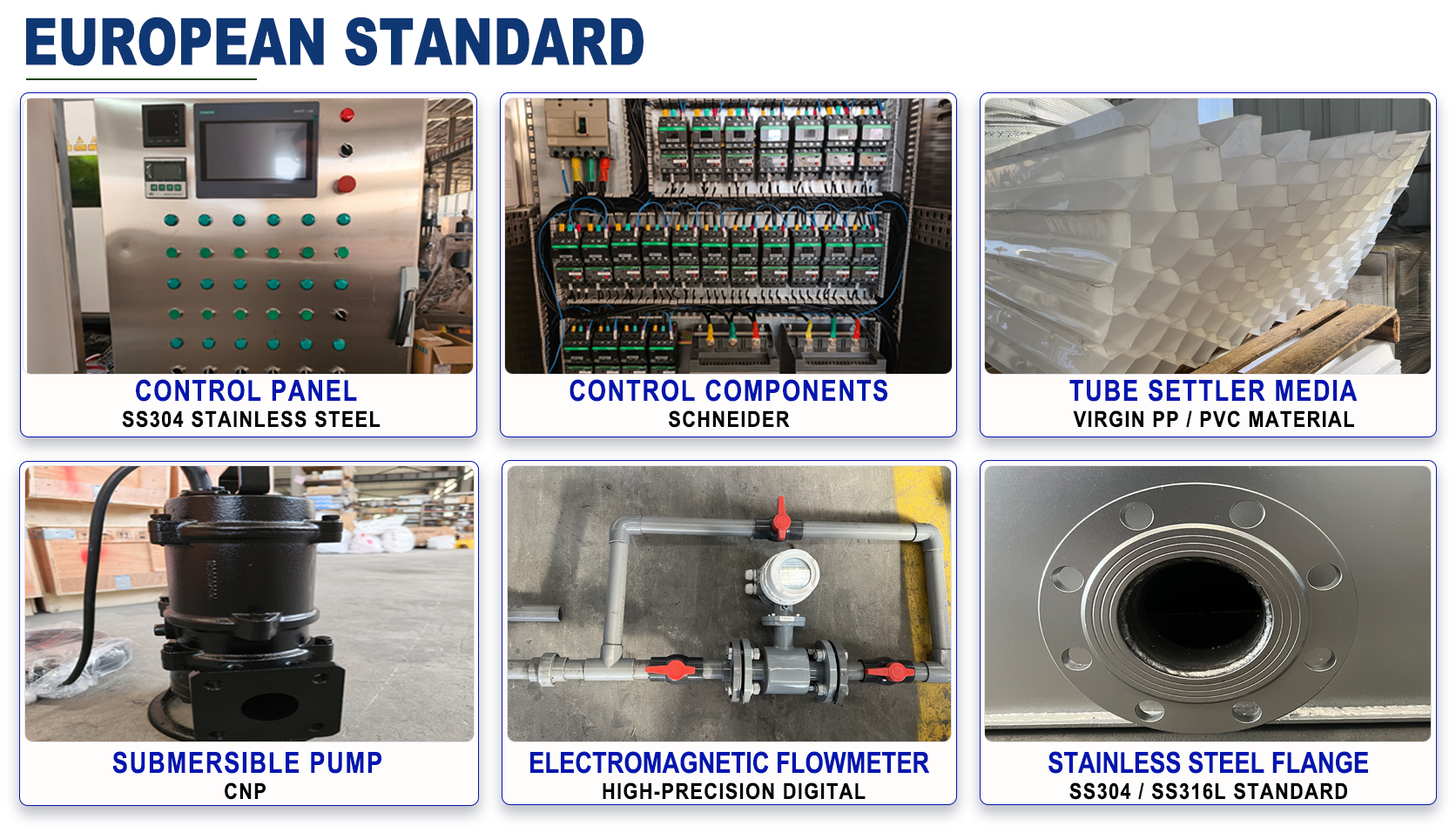
Key components such as pumps, blowers, membrane modules, and electrical control systems are sourced from world‑renowned brands to ensure long-term stable operation.

Providing comprehensive one-stop technical support covering solution design, equipment installation, commissioning, operator training, and after-sales service.
Tel
Address
Workshop 6, No. 88 Yueyahe Road, Huangdao District, Qingdao City, Shandong Province, China

 Case Studies
 Technical Downloads
 Engineering
 FAQ